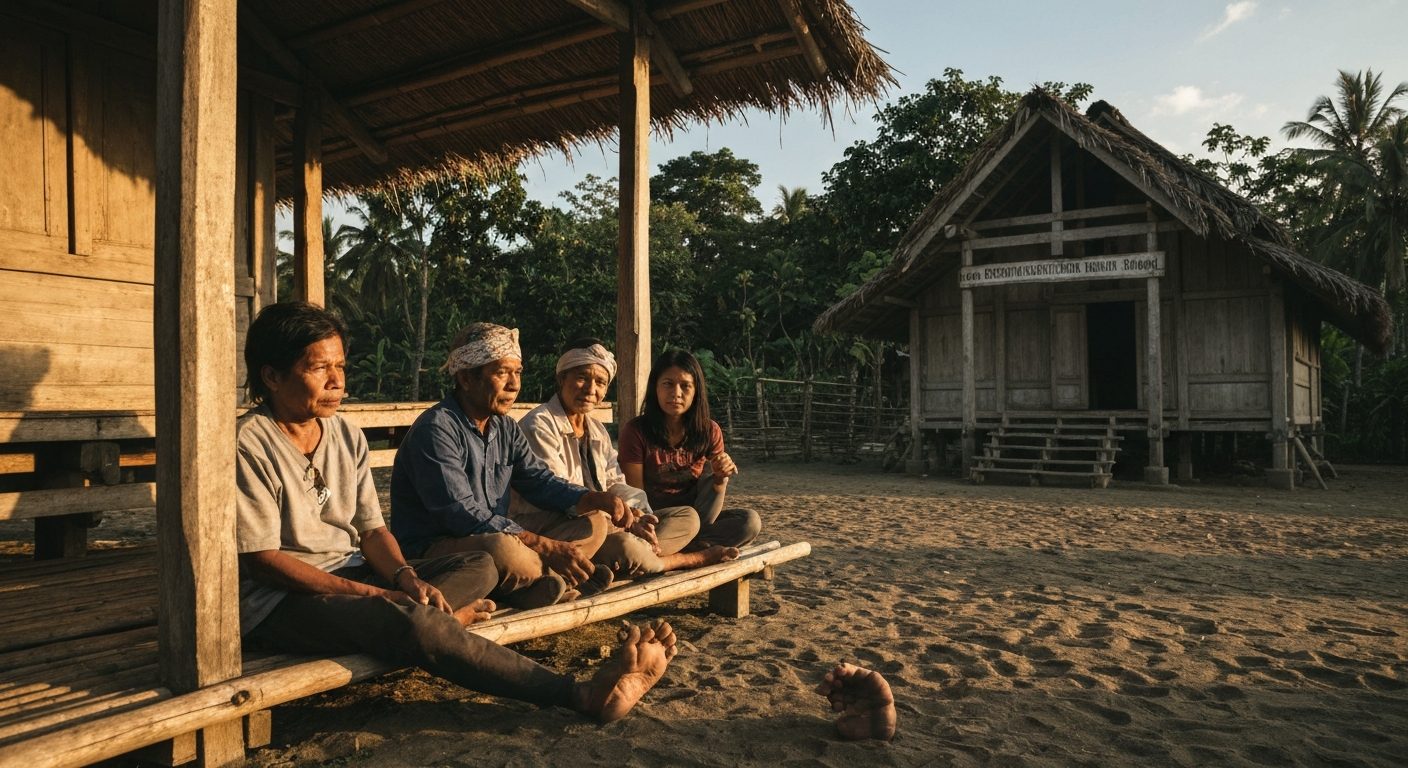
For travelers seeking authentic Banyuwangi cultural experiences, the Osing Kemiren village offers a direct window into East Java’s unique heritage. This article serves as your comprehensive guide to immersing yourself in the traditions, flavors, and daily life of the indigenous Osing people, forming the core of any meaningful banyuwangi cultural tours.
As Banyuwangi Tours Editorial Desk, I’ve spent years tracking the pulse of East Java, from the trails of its national parks to the rhythm of its villages. Banyuwangi isn’t just about volcanoes and beaches; it’s a living cultural heartland. Understanding the Osing culture, particularly through a Kemiren Osing village tour, enriches any trip to this region. Here, you’ll find a community dedicated to preserving its ancestral way of life, distinct from both Javanese and Balinese influences.
Our aim at Banyuwangi Tours — operated by Bali Premium Trip — is to connect you directly with these genuine experiences. We arrange meticulously planned private trips from Bali, led by our own team and supported by licensed, vetted local Osing guides. We focus on providing direct access to the culture, arranging all guides, permits, and transfers. Importantly, we do not own village concessions ourselves; our role is to facilitate your connection with the local community through ethical, well-organized tours.
Kemiren Village: The Living Heart of Osing Culture
Kemiren is more than just a village; it’s a designated cultural heritage site, a living museum of the Osing people. Located just a short drive from Banyuwangi city, it’s easily accessible and perfect for a day trip. Here, tradition isn’t a performance for tourists; it’s the fabric of daily life.
Daily Life & Enduring Traditions
Walking through Kemiren, you’ll observe daily routines that have remained largely unchanged for generations. The air often carries the scent of roasting coffee beans or the subtle spices of traditional cooking. Homes are built in the distinctive Osing architectural style, often with large open-air living spaces and intricate carvings. Villagers are typically engaged in activities like weaving, crafting traditional musical instruments, or preparing local delicacies.
The community in Kemiren actively maintains its cultural practices. This includes adherence to traditional farming methods, participation in communal ceremonies, and the continued use of the Osing language, Basa Osing, which is a dialect of Javanese but with significant distinctions. It’s a place where children learn ancestral dances and songs from a young age, ensuring the continuity of their heritage.
Osing Architecture: A Glimpse into Heritage
The traditional Osing house, known as omah Osing, is a fundamental element of Kemiren’s charm. These homes are typically constructed from wood, with pitched roofs that often feature decorative elements. The layout prioritizes community and family, with common areas designed for gathering. You’ll notice the absence of walls in some living areas, fostering an open and welcoming atmosphere. Many houses feature a distinctive front porch, or pendopo, where families relax and socialize. Our kemiren osing village tour often includes opportunities to respectfully observe these traditional dwellings and, in some cases, interact with residents who might share insights into their architecture and lifestyle.
Gandrung Dance: The Spirit of Banyuwangi
No discussion of banyuwangi cultural experiences is complete without mentioning the Gandrung dance. This iconic performance is the quintessential art form of the Osing people, a vibrant expression of their identity and history.
Origins & Significance
The Gandrung dance originated as a ritualistic performance to honor Dewi Sri, the goddess of fertility, and to express gratitude for bountiful harvests. Over time, it evolved into a more performative art, yet its roots in communal celebration and spiritual connection remain strong. The word “Gandrung” itself means “infatuated” or “in love,” referring to the dancer’s deep connection to the music and her audience.
Traditionally, Gandrung features a female dancer, the penari Gandrung, who performs intricate movements accompanied by a gamelan orchestra. The dance begins with a solo performance, gradually inviting audience members to join in, creating an interactive and lively atmosphere. The costumes are colorful, typically featuring a batik kemben (chest wrap), a selendang (sash), and a distinctive headdress. The music is characterized by its dynamic rhythm, primarily featuring gongs, drums, and a kendang (drum), creating a powerful and hypnotic soundscape.
Where to See Gandrung Dance in Banyuwangi
While specific performances vary, dedicated cultural centers in Banyuwangi and Kemiren village itself are the best places to witness an authentic gandrung dance banyuwangi. Many cultural events and festivals feature Gandrung as a centerpiece. For private banyuwangi cultural tours, we can often arrange a special performance in Kemiren, allowing for a more intimate and educational experience with the dancers and musicians. This direct engagement provides a deeper appreciation for the art form and its cultural significance.
Banyuwangi Food Culture: A Culinary Journey
The Osing culture extends gloriously into its cuisine. Banyuwangi food culture is a distinct and flavorful blend, characterized by fresh ingredients, bold spices, and unique combinations you won’t find elsewhere in Indonesia. A culinary tour banyuwangi is a must for any food enthusiast.
Signature Dishes to Savor
Here are some staples of Banyuwangi’s food scene:
- Sego Cawuk
- A quintessential Banyuwangi breakfast. Steamed rice (sego) served with various side dishes like iwak pindang (salted fish), shredded coconut, and a distinctive spicy sauce made from red chilies, garlic, and sometimes coconut milk. It’s simple, hearty, and packed with flavor.
- Pecel Pitik
- This isn’t your average Javanese pecel. Pecel pitik features grilled chicken (pitik) shredded and mixed with a rich, spicy coconut sauce, often infused with kencur (aromatic ginger) and lime leaves. It’s usually served with fresh vegetables and rice, offering a creamy yet zesty profile.
- Rujak Soto
- Perhaps the most unique culinary creation in Banyuwangi. Rujak soto is a surprising fusion of rujak cingur (fruit and vegetable salad with beef snout and peanut sauce) and soto babat (tripe soup). The result is a complex blend of sweet, sour, spicy, and savory flavors, with contrasting textures from the crisp vegetables, chewy tripe, and rich soup broth. It sounds unusual, but it’s a local favorite for a reason.
- Sate Kalak
- While sate is found throughout Indonesia, sate kalak from Banyuwangi stands out. It’s typically made from beef or chicken, marinated in a distinct spice blend that often includes palm sugar, tamarind, and a variety of local herbs, giving it a slightly sweet and tangy profile before grilling.
Kopi Osing: The Local Brew
Beyond meals, kopi Osing is a significant part of the daily ritual. Banyuwangi is a major coffee-producing region, and the Osing people have their own methods of preparing and enjoying their brew. Osing coffee is often characterized by its strong, dark roast and unique aroma. Many local warung kopi (coffee stalls) in Kemiren and across Banyuwangi offer a chance to taste this traditional coffee, often served black with a generous amount of sugar. It’s a social drink, a way to connect and share stories. Our banyuwangi tea plantation visits tours also offer insight into another key beverage industry, but coffee is truly at the heart of Osing daily life.
Culinary Tours in Banyuwangi
For those keen to explore deeper, banyuwangi food culture culinary tours banyuwangi can be arranged. These experiences often include visits to local markets to see fresh produce, cooking demonstrations in a traditional Osing home, and, of course, ample opportunities to sample the regional specialties. It’s a hands-on way to understand the ingredients, techniques, and cultural significance behind each dish.
Traditional Ceremonies: Witnessing Living Heritage
Beyond daily life and performances, Banyuwangi hosts several vibrant traditional ceremonies throughout the year. These events are deeply rooted in Osing spiritual beliefs and community spirit, offering profound banyuwangi cultural experiences.
Tumpeng Sewu: A Thousand Cones of Gratitude
Tumpeng Sewu is a spectacular ritual held annually in Kemiren village. The name translates to “a thousand tumpengs” (cone-shaped rice mounds), though in practice, it involves hundreds of tumpeng pecel pitik — rice cones served with the unique Pecel Pitik. This communal feast is a tradition of gratitude and purification, dedicated to warding off misfortune and expressing thanks for prosperity.
The ceremony typically takes place at night, with villagers parading through the village carrying their tumpengs to a central gathering point. The air fills with the aroma of spices and the sound of traditional music. After prayers and blessings, the community shares the food, transforming the event into a massive open-air dinner that fosters togetherness and strengthens communal bonds. It’s a truly moving sight, last verified to occur annually on the Monday of the first full moon after Eid al-Fitr (the exact Gregorian calendar date varies each year).
Barong Ider Bumi: Cleansing the Earth
Another significant Osing ceremony is Barong Ider Bumi, held annually in Kemiren on the second day of Shawwal (the Islamic month following Ramadan). This ritual involves parading the sacred Barong Kemiren, a mythical lion-like creature, around the village. The Barong is believed to have protective powers, and its procession is meant to cleanse the village of evil spirits and bring blessings for the coming year.
The Barong is accompanied by a lively procession of villagers, musicians, and other traditional figures, all dressed in colorful attire. The atmosphere is festive and reverent, reflecting the community’s deep respect for their ancestral protectors. Witnessing Barong Ider Bumi offers a powerful insight into the spiritual dimensions of Osing culture and the enduring belief in the interconnectedness of their community and the natural world.
Beyond Kemiren: Nature & Culture Combinations
One of the great advantages of Banyuwangi is its ability to seamlessly combine rich cultural immersion with incredible natural beauty. For travelers basing their trip from Bali via the Ketapang ferry, integrating a kemiren osing village tour and banyuwangi food culture culinary tours banyuwangi with nearby nature excursions makes for a truly holistic itinerary.
Djawatan Forest Canoe Trip
Just a short drive from Banyuwangi city and Kemiren village lies Djawatan Forest, a unique expanse often dubbed “the Lord of the Rings forest” due to its ancient, moss-draped trembesi trees. These massive trees, some centuries old, create an ethereal canopy, especially when the morning mist hangs low. A djawatan forest tour canoe trip offers a serene way to experience this natural wonder. While not a traditional canoe trip on a river, some areas allow for small boat experiences on man-made ponds or quiet sections, or simply enjoy a tranquil walk through the majestic trees. It’s a perfect, calming counterpoint to the vibrant energy of cultural exploration.
Highland Tea Plantation Visits Tours
Venturing slightly higher into Banyuwangi’s cooler highlands reveals expansive tea plantations. These verdant landscapes offer a different kind of natural beauty and a glimpse into another key industry of the region. Banyuwangi tea plantation visits tours allow you to stroll through rows of tea bushes, learn about the tea-making process from leaf picking to drying, and perhaps enjoy a fresh cup of locally grown tea with panoramic views. It’s a peaceful and educational experience, providing a broader context to Banyuwangi’s agricultural heritage.
Pairing a morning cultural immersion in Kemiren with an afternoon trip to Djawatan or a tea plantation visit offers a balanced and rewarding day, showcasing the diverse appeal of Banyuwangi.
Planning Your Banyuwangi Cultural Tours with Bali Premium Trip
Planning a trip to Banyuwangi, especially when coming from Bali, involves logistical considerations. Our aim at Banyuwangi Tours — operated by Bali Premium Trip — is to make your journey smooth, safe, and truly enriching. We specialize in private, expert-guided trips that start from Bali, crossing via the Ketapang ferry.
Logistics & Getting Here
Most travelers begin their Banyuwangi adventure by taking the ferry from Gilimanuk Port in West Bali to Ketapang Port in Banyuwangi. This ferry crossing typically takes between 45 to 60 minutes. From Ketapang, Banyuwangi city and Kemiren village are easily reachable by car. Our private tours include all necessary transfers, ensuring a comfortable journey from your accommodation in Bali right to your cultural experiences in Banyuwangi. We handle all the details, from ferry tickets to ground transportation, allowing you to focus on the journey itself.
What Bali Premium Trip Arranges
As your dedicated private travel concierge, Bali Premium Trip plans and sells comprehensive trips directly to you. This means you book directly with our reservations team at transparent, published rates, without any third-party markup.
We arrange:
- Expert Local Guides: Licensed, vetted Osing guides who provide genuine insights into their culture.
- Private Transfers: Comfortable, air-conditioned vehicles for all your ground transportation needs, including ferry crossings.
- Permits & Entrance Fees: For villages, cultural performances, and any nature sites included in your itinerary.
- Accommodation: Curated stays that match your preferences and budget.
It’s important to understand our role clearly. While we facilitate incredible access and arrange all necessary services, we do not own village concessions, park concessions, or operate the ferry ourselves. Our expertise lies in connecting you with these authentic elements and ensuring a seamless, high-quality experience through our extensive network of trusted local partners and our own dedicated team.
A comprehensive 3-day, 2-night private tour from Bali, encompassing a kemiren osing village tour, culinary experiences, and an iconic nature site like Ijen Crater or Baluran National Park, might range from US$650 to US$1,300 per person. This indicative pricing varies significantly based on group size, accommodation level, and specific activities chosen. These figures were last verified June 2026.
Ready to explore the authentic heart of East Java?
Plan your trip with us today, or send a message via WhatsApp to start discussing your ideal banyuwangi cultural experiences.
Frequently Asked Questions
What is the best time to visit Kemiren village for cultural experiences?
Kemiren village is a living cultural center, so it’s active year-round. However, if you wish to witness specific traditional ceremonies like Tumpeng Sewu or Barong Ider Bumi, you’ll need to align your visit with their annual dates, which are determined by the Islamic calendar (Tumpeng Sewu is typically the Monday of the first full moon after Eid al-Fitr; Barong Ider Bumi is the second day of Shawwal). Otherwise, any time is good for a kemiren osing village tour to experience daily life.
How do I book a Banyuwangi cultural tour from Bali?
You can book your banyuwangi cultural tours directly with Bali Premium Trip. Simply visit our website’s contact page at /contact-us/ or reach out to us via WhatsApp. Our team will help you craft a personalized itinerary, arrange all transfers, guides, and permits, ensuring a seamless experience from your departure in Bali.
Are the cultural experiences in Kemiren village authentic or staged for tourists?
The cultural experiences in Kemiren village are genuinely authentic. Kemiren is a designated cultural heritage village where the Osing people actively live and preserve their traditions daily. While specific performances like Gandrung can be arranged for visitors, the underlying culture, architecture, and ceremonies like Tumpeng Sewu are integral parts of community life, not just tourist shows. Our banyuwangi cultural experiences aim to respectfully immerse you in this living heritage.
Can I combine cultural tours with nature excursions in Banyuwangi?
Absolutely. Banyuwangi is perfect for combining cultural immersion with nature. You can easily pair a kemiren osing village tour and banyuwangi food culture culinary tours banyuwangi with visits to natural attractions like the Djawatan Forest, local tea plantations, or even more famous sites like Ijen Crater or Baluran National Park. Our team can help you design an itinerary that perfectly balances these diverse aspects of Banyuwangi.
What kind of food can I expect on a Banyuwangi food culture culinary tour?
On a banyuwangi food culture culinary tour banyuwangi, you can expect to savor unique Osing dishes such as Sego Cawuk (rice with spicy fish and coconut sauce), Pecel Pitik (shredded chicken with spicy coconut sauce), and the intriguing Rujak Soto (a fusion of fruit salad and soup). You’ll also get to try local snacks and the distinctive Kopi Osing. These tours often include market visits and opportunities to observe or participate in cooking.