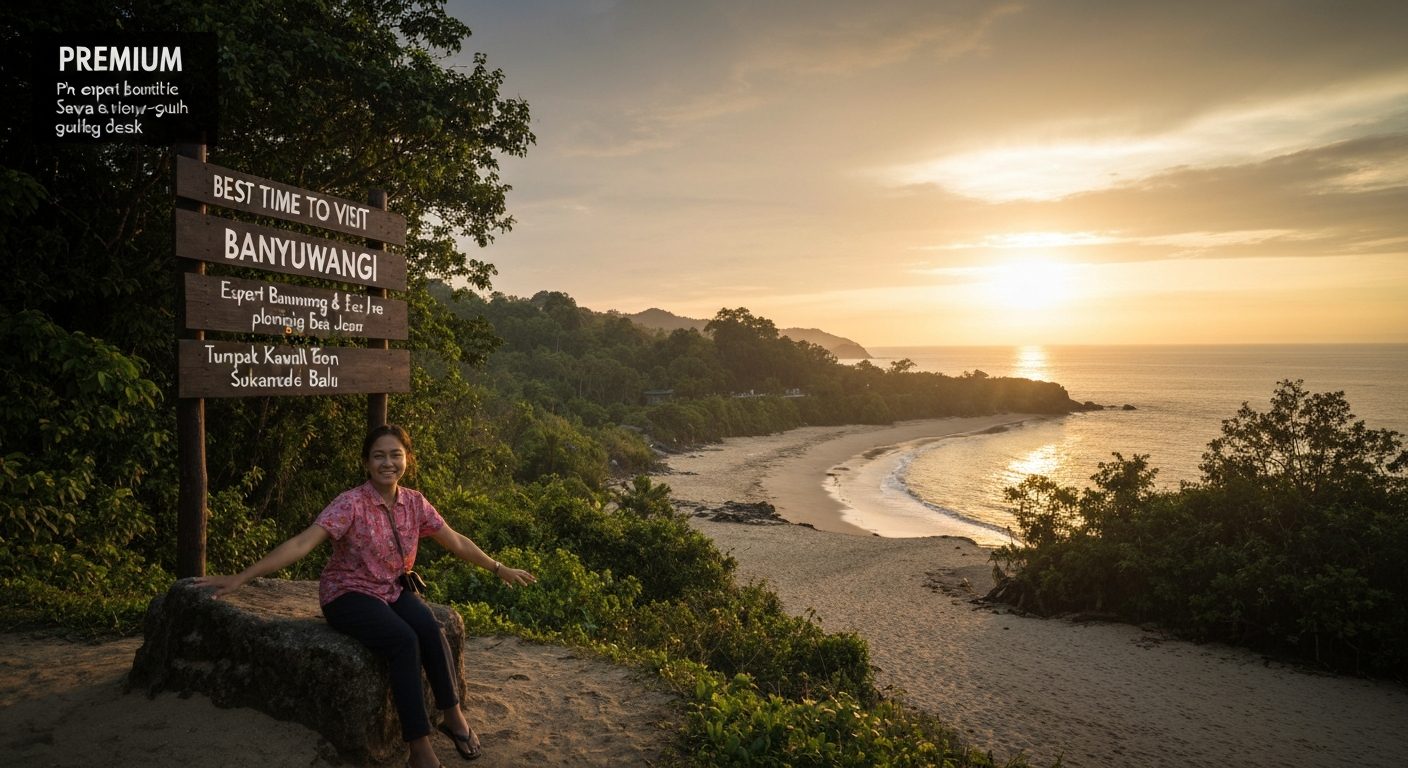
The best time to visit Banyuwangi truly depends on what you want to experience, as the region’s distinct dry and wet seasons profoundly impact accessibility, activities, and the natural landscape. As East Java Nature Editor for Banyuwangi Tours, I’ve spent over a decade on these trails, and I’ll tell you exactly what’s true on the ground, so you can plan your trip knowing when to expect green savannas, clear volcano views, or challenging monsoon conditions.
Banyuwangi, the easternmost regency of Java, serves as the gateway to some of Indonesia’s most raw and captivating natural wonders: the ethereal Kawah Ijen blue flames, the majestic Tumpak Sewu waterfall, the wildlife haven of Baluran National Park, and the vital turtle nesting grounds of Sukamade Beach within Meru Betiri. Each destination offers a unique draw, but your timing is key to unlocking its full potential.
Banyuwangi Weather and Seasons: A Month-by-Month Breakdown
East Java, like much of Indonesia, experiences two primary seasons: the dry season and the wet (or monsoon) season. Understanding these cycles is crucial for a successful trip.
The Dry Season (April to October): Clear Skies, Peak Adventures
Generally, the dry season offers the most reliable weather for exploring Banyuwangi’s outdoor attractions. Skies are clearer, rainfall is minimal, and temperatures are warm but manageable.
- April – May: The Shoulder Season Sweet Spot
This period often presents an ideal balance. The heavy rains have subsided, leaving the landscapes vibrant and green, but the peak season crowds haven’t fully arrived. Temperatures average around 28-32°C (82-90°F). Roads to places like Sukamade are typically in good condition, and waterfall trails are safer.
- June – August: Banyuwangi Peak Season
This is when Banyuwangi sees its highest influx of visitors. Weather is consistently dry and sunny, perfect for all outdoor activities. Visibility at Kawah Ijen is usually excellent for sunrise and the blue flame. Baluran’s savanna begins its transition from green to golden-brown, offering classic African-safari-like views. Expect average temperatures of 29-33°C (84-91°F). However, demand for permits, accommodation, and guides is high, so advance booking is essential. If your goal is to experience the region with minimal weather concerns and maximum accessibility, the banyuwangi peak season june july august is your best bet, but prepare for more company.
- September – October: Late Dry Season Charm
The dry weather typically extends through October, though you might begin to see occasional, short afternoon showers towards the end of this period. The savanna in Baluran is likely at its driest and most golden, creating dramatic photographic opportunities. Turtle nesting activity at Sukamade remains robust. Crowds start to thin compared to the peak months, making for a more relaxed experience. Temperatures remain consistent, around 29-32°C (84-90°F).
The Wet Season (November to March): Lush Landscapes, Logistical Challenges
The wet season brings significant rainfall, particularly from December to February. While it transforms the landscape into a lush, vibrant green, it can pose challenges for certain activities and access.
- November: Transitioning to Wet
November marks the transition. Rainfall becomes more frequent, usually in the form of intense afternoon downpours rather than all-day rain. Roads can become muddy, especially those leading to more remote areas. Temperatures hover around 27-31°C (81-88°F). This month can still offer good windows for exploration, but flexibility is key.
- December – January: Banyuwangi Monsoon Season
This is the peak of the banyuwangi monsoon season december january tours. Heavy, prolonged rainfall is common. While Kawah Ijen can still be visited, the blue flame might be obscured by mist and rain, and trails become very slippery. Tumpak Sewu waterfall, while visually powerful with increased water volume, carries a higher risk of flash floods, and access to its base is often restricted or deemed unsafe. The jeep track to Sukamade can become impassable, requiring significant detours or even cancellations. Temperatures are slightly cooler, around 26-30°C (79-86°F), but humidity is high. If you plan banyuwangi monsoon season december january tours, be prepared for itinerary changes and prioritize safety.
- February – March: Monsoon Tapering Off
Rainfall gradually decreases, but conditions can still be wet and muddy, especially in February. By March, the weather generally starts to improve, offering glimpses of drier days. The natural parks are incredibly green and vibrant, though some access challenges might persist. This period can be rewarding for those seeking lush scenery and fewer crowds, provided they are prepared for potential rain.
Impact of Seasons on Key East Java Destinations
Understanding how the seasons affect each specific site is crucial for planning.
Kawah Ijen: Blue Flames and Volcanic Vistas
Kawah Ijen is accessible year-round, but the dry season (April-October) offers the best conditions.
- Dry Season: Clearer skies mean a higher chance of seeing the sunrise over the turquoise lake and the iconic blue flames at their brightest. Trails are dry and less slippery, making the trek safer and more comfortable.
- Wet Season: Rain and heavy mist can obscure the blue flames and the caldera view. Trails become muddy and slippery, increasing the difficulty and risk of the night hike. While still possible, the experience can be less rewarding visually. Our guides prioritize your safety and will advise on conditions.
Tumpak Sewu Waterfall: A Seasonal Spectacle
For the best time to hike Tumpak Sewu Waterfall, consider the trade-offs:
- Dry Season (May-October): This is generally the safest and most recommended period. The water flow is strong but manageable, and the trails down to the base are less slippery. The multi-tiered falls are spectacular. Access to the base of the waterfall, requiring a descent through rivers and over rocks, is significantly safer.
- Wet Season (November-April): While the waterfall’s volume is immense and truly thunderous, heavy rainfall significantly increases the risk of flash floods in the canyon below. Local authorities frequently close access to the base for safety reasons during periods of intense rain. The trails become extremely treacherous. We strongly advise against attempting the full descent during peak monsoon. Bali Premium Trip will always prioritize your safety and adjust itineraries as needed.
Sukamade Turtle Beach (Meru Betiri National Park): A Journey of Grit
Access to Sukamade is an adventure in itself, often involving a 4×4 jeep ride through plantations and rivers.
- Dry Season (April-October): The jeep track is generally in its best condition, though it remains rugged. River crossings are typically lower, making the journey quicker and more reliable. This period coincides with peak turtle nesting activity (especially March-October), offering the highest chances of witnessing a mother turtle laying eggs.
- Wet Season (November-March): The road can become extremely muddy, deeply rutted, and river crossings can swell, making parts of the track impassable even for experienced 4×4 drivers. Delays are common, and in severe conditions, trips may need to be postponed or cancelled. While turtles nest year-round, heavy rain can impact viewing conditions. Our team monitors road conditions closely and will communicate any challenges.
Baluran National Park: The “Africa of Java”
Baluran’s landscape changes dramatically with the seasons.
- Dry Season (May-December): The savanna turns a golden-brown, resembling African plains. This dryness concentrates wildlife around water sources, making sightings of deer, buffalo (banteng), and various birds more likely. It’s a striking landscape for photography.
- Wet Season (January-April): The savanna transforms into a vibrant green expanse. While lush and beautiful, wildlife can be more dispersed due to abundant water sources. The green season offers a different, equally beautiful perspective, though it’s less commonly depicted.
Pulau Merah Beach: Surf and Sunset
Pulau Merah is a popular surf spot and sunset destination.
- Dry Season (April-October): Generally calm weather for enjoying the beach and consistent waves for beginner to intermediate surfers. Sunsets are often spectacular with clear skies.
- Wet Season (November-March): Can experience larger swells and choppier conditions, which might appeal to more experienced surfers. However, heavy rain can deter beachgoers.
Planning Your Banyuwangi Trip: Practical Considerations
How Many Days Do I Need in Banyuwangi?
This is a common question. To truly appreciate Banyuwangi and its surroundings, you’ll need more than a quick stopover.
- Minimum 2-3 Days: For Kawah Ijen and perhaps one other nearby attraction like Pulau Merah or Baluran. This is a fast-paced trip.
- Recommended 4-5 Days: Allows for Kawah Ijen, Baluran, and a Sukamade overnight, or Tumpak Sewu with less rush. This duration provides a balanced experience without feeling too rushed. For example, a 4-day trip covering Ijen, Baluran, and Sukamade might cost around US$750-1200 per person (indicative price range, last verified June 2026, varies by group size and accommodation tier).
- Comprehensive 6-7 Days: Ideal for covering all the major highlights – Ijen, Tumpak Sewu, Baluran, Sukamade, and some relaxation or cultural immersion in Banyuwangi town. This allows for deeper exploration and flexibility for weather changes.
Is Banyuwangi Worth Visiting from Bali?
Absolutely. Is Banyuwangi worth visiting from Bali? Without a doubt. It offers a completely different landscape and experience from Bali’s beaches and cultural sites. It’s an adventure into raw nature and authentic Javanese culture. The journey from Bali is straightforward:
- Land Transfer: A drive from your Bali accommodation to Gilimanuk Port (West Bali), which can take 3-5 hours depending on your starting point.
- Ferry Crossing: A brief ~1-hour ferry ride across the Bali Strait to Ketapang Port in Banyuwangi. Ferries run 24/7.
- East Java Exploration: From Ketapang, our team will meet you to begin your expertly guided journey.
Bali Premium Trip specializes in seamless private transfers from Bali, ensuring a comfortable and efficient connection to your East Java adventure.
Is Banyuwangi Safe for Solo Travelers?
Yes, is Banyuwangi safe for solo travelers? Generally, Banyuwangi is considered safe for solo travelers. The local people are known for their warmth and hospitality. However, like any travel destination, common sense precautions apply.
- Local Guides: For treks like Kawah Ijen and Tumpak Sewu, hiring a local guide is not just about safety on challenging terrain but also about enriching your experience with local knowledge and insights. Our private tours always include licensed, vetted local guides who know the terrain and conditions intimately.
- Transportation: Using reliable, pre-arranged transport (which we provide) is safer and more efficient than relying on ad-hoc options, especially when covering long distances or heading to remote areas.
- Awareness: Be aware of your surroundings, especially at night, and keep valuables secure.
Overall, solo travelers can enjoy Banyuwangi with confidence, particularly when supported by a reputable tour operator like Bali Premium Trip.
What to Pack for Banyuwangi East Java Tours?
Your packing list will vary slightly depending on the season, but some essentials remain constant.
- Layers: For Kawah Ijen, you’ll need warm layers (jacket, hat, gloves) for the pre-dawn hike, as temperatures at the crater rim can drop to 5-10°C (41-50°F), but you’ll shed them as the sun rises.
- Footwear: Sturdy, comfortable hiking shoes with good grip are essential for Ijen and Tumpak Sewu. Waterproof shoes are a bonus, especially in the wet season. Sandals or flip-flops for general use.
- Rain Gear: A lightweight rain jacket or poncho is recommended year-round, but especially during the wet season.
- Sun Protection: Hat, sunglasses, and high-SPF sunscreen are crucial for daytime activities.
- Insect Repellent: Especially for jungle areas like Meru Betiri and Baluran.
- Swimwear: If you plan to visit beaches or hot springs.
- Small Backpack: For day trips, carrying water, snacks, and personal items.
- Headlamp/Flashlight: Essential for the Kawah Ijen night trek.
- Personal Medications and First Aid Kit: Always a good idea.
- Reusable Water Bottle: Stay hydrated and reduce plastic waste.
Banyuwangi Festivals (April to December)
Banyuwangi is known for its vibrant cultural calendar, with festivals often tied to local traditions and art. Attending a festival can add a unique dimension to your trip.
- April: Banyuwangi Beach Jazz Festival (sometimes May) – A fusion of jazz music with the natural beauty of Banyuwangi’s coast.
- June: Gandrung Sewu (sometimes October) – A spectacular mass dance performance featuring thousands of dancers, celebrating the traditional Gandrung art form.
- July: Banyuwangi Ethno Carnival – A grand parade showcasing elaborate costumes and local culture, drawing inspiration from Banyuwangi’s heritage.
- September: International Tour de Ijen – A multi-stage cycling race attracting international participants, passing through scenic landscapes.
- October: Festival Kuwung – A cultural parade featuring various traditional arts and performances from different ethnic groups in Banyuwangi.
- December: Banyuwangi Art Week – An event celebrating local arts, crafts, and culinary traditions.
These dates can vary year to year, so check the latest schedule if you plan your visit around a specific event.
Seasonal Suitability for Banyuwangi Destinations
To help you decide, here’s a quick overview of how the seasons align with major attractions:
- Kawah Ijen (Blue Flame & Crater Lake)
- Dry Season (April-October): Best visibility for blue flames and sunrise, safer trails. Peak season for this activity.
Wet Season (November-March): Possible, but views often obscured by mist/rain, slippery trails. Higher risk of less rewarding experience. - Tumpak Sewu Waterfall
- Dry Season (May-October): Safest for descent to the base, manageable water flow. Ideal for photography.
Wet Season (November-April): Visually powerful, but high risk of flash floods and trail closures for safety. Base access often restricted. - Sukamade Turtle Beach (Meru Betiri NP)
- Dry Season (April-October): Best road conditions for jeep access, highest chance of turtle sightings.
Wet Season (November-March): Road can be very challenging/impassable. Turtle nesting continues, but access is less reliable. - Baluran National Park (Savanna)
- Dry Season (May-December): Golden-brown savanna, wildlife congregates near water. Classic “Africa of Java” views.
Wet Season (January-April): Lush green savanna, wildlife dispersed. Different, vibrant scenery. - Pulau Merah Beach
- Dry Season (April-October): Consistent waves for all levels, clear skies for sunsets.
Wet Season (November-March): Can have larger swells, rain might impact beach leisure.
Booking Your East Java Adventure with Bali Premium Trip
Planning a multi-day trip that spans different ecosystems and involves varied logistical challenges can be complex. This is where Bali Premium Trip steps in. We are an expert-guided trip planning and booking desk, operated directly by our team. We plan and sell private, expert-guided trips run from Bali via the Ketapang ferry by our own team plus licensed, vetted on-ground guides and operators. We arrange guides, permits, and transfers. We do not own park concessions or permits ourselves, and we say so plainly, but we secure everything necessary for your journey.
Our goal is to ensure you arrive knowing exactly what’s true on the ground, with all logistics handled professionally. We offer a transparent booking process and direct communication with our Bali Premium Trip reservations team. We do not use third-party markups; you book directly with us.
Ready to explore Banyuwangi and East Java on your terms? Our team can help you tailor an itinerary that perfectly matches your interests and the best time to visit based on current conditions.
Plan your trip now, or reach out to us on WhatsApp for a personalized consultation.
Frequently Asked Questions
What’s the best time to visit Banyuwangi to avoid monsoon?
The best time to visit Banyuwangi to avoid the monsoon is generally from April to October. During these dry months, rainfall is minimal, skies are clearer, and conditions are ideal for outdoor activities like hiking Kawah Ijen and visiting Tumpak Sewu.
How much do permits cost for Banyuwangi national parks?
Permit costs vary by park and day of the week. For example, Kawah Ijen entry for foreigners is typically around IDR 100,000 on weekdays and IDR 150,000 on weekends. Baluran National Park is roughly IDR 150,000 (weekday) to IDR 225,000 (weekend). Meru Betiri National Park (Sukamade) can be around IDR 200,000 (weekday) to IDR 300,000 (weekend). Tumpak Sewu has a separate entrance fee, often around IDR 20,000 for foreigners, plus guide fees. These are indicative ranges, last verified June 2026, and can change.
Can I visit Tumpak Sewu and Kawah Ijen in the same trip?
Yes, it’s very common to combine Tumpak Sewu and Kawah Ijen into one trip, often as part of a longer East Java itinerary. Tumpak Sewu is located south of Malang/Lumajang, while Kawah Ijen is in Banyuwangi. A typical route would involve driving from Tumpak Sewu towards Banyuwangi, usually with an overnight stay in between.
What is the primary difference between Banyuwangi’s dry and wet seasons for travelers?
The primary difference is accessibility and experience. The dry season (April-October) offers easier access to remote sites like Sukamade, safer hiking conditions for Tumpak Sewu and Ijen, and clearer views. The wet season (November-March), especially December-January, brings lush landscapes but can lead to road closures, dangerous hiking conditions, and obscured views due to heavy rain and mist.
Are there direct flights to Banyuwangi?
Yes, Banyuwangi has a local airport (Banyuwangi International Airport, BWW) with direct flights from major Indonesian cities like Jakarta and Surabaya. This offers an alternative to traveling from Bali via ferry, depending on your itinerary and where you begin your journey in Indonesia.
Ready to experience Banyuwangi? Contact our Bali Premium Trip team today to start planning your personalized adventure. We’re here to help you navigate the seasons and logistics for an memorable journey.
Plan your trip to Banyuwangi with us.