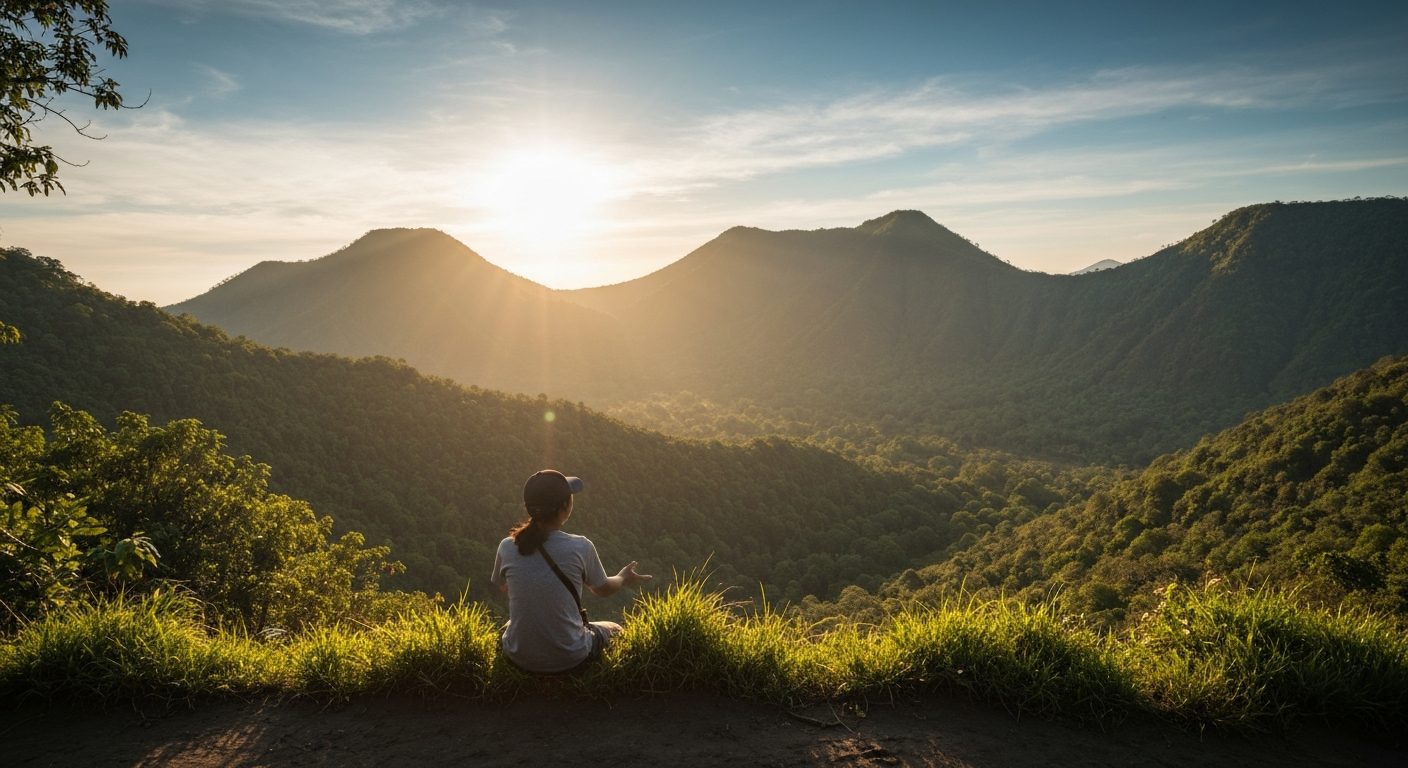
Baluran National Park earns its nickname, the “Africa of Java,” through its expansive Bekol savanna, home to a rich array of baluran africa of java savanna animals. This guide details exactly what wildlife you can expect to encounter and offers precise advice on the best time to visit Baluran National Park wildlife for an memorable experience.
As Banyuwangi Tours’ East Java nature editor, I’ve spent years tracking the rhythms of Baluran. My goal is to equip you with grounded, field-accurate information, cutting through the usual brochure fluff. Baluran offers a unique savanna safari, a world away from Bali’s beaches, where wild banteng roam and peacocks strut. Understanding its seasons and animal behaviors is key to a rewarding trip.
What Wildlife Can You Actually See at Baluran National Park?
Baluran National Park, spanning approximately 25,000 hectares, is dominated by the vast Bekol savanna, a sprawling grassland that stretches for around 10,000 hectares. This dry, open landscape is the primary habitat for the park’s most iconic species. It’s here, amidst the scattered acacia trees and tall grasses, that the majority of wildlife viewing takes place. Expect a genuine savanna safari experience, where patience and a good guide often lead to rewarding sightings.
The park is officially home to 26 recorded mammal species, though many are elusive. The stars of the show, and what most visitors come to see, are the large herbivores and striking birds.
The Savanna’s Signature Species
- Banteng (Bos javanicus): These magnificent wild cattle are Baluran’s flagship species. They are larger than domestic cattle, with distinct white ‘stockings’ on their legs and white patches on their rumps. Males are dark brown or black with impressive, curved horns, while females are reddish-brown. The Bekol savanna is one of their last strongholds in Java. Seeing a herd of banteng grazing or moving through the tall grass is a quintessential Baluran experience.
- Javan Rusa Deer (Rusa timorensis): Abundant and often seen in large groups, the Javan rusa deer are graceful residents of the savanna. Their antlers are prominent on males, particularly during the dry season. They are less wary than banteng and often provide excellent photographic opportunities.
- Water Buffalo (Bubalus bubalis): While often mistaken for wild animals, many of the water buffalo in Baluran are semi-wild, descendants of animals left behind by local communities. They are large, dark, and often found wallowing in muddy pools or grazing near water sources. They add to the “Africa of Java” feel.
- Peacocks (Pavo muticus): The Javan green peacock is a truly spectacular sight. Males display their iridescent plumage, especially during mating season (roughly April to September), a vibrant contrast against the dry savanna. You’ll often hear their distinctive calls before you see them.
- Long-Tailed Macaques (Macaca fascicularis): These intelligent and often mischievous primates are common, particularly around Bama Beach and the Bekol ranger post. While entertaining, it’s important to remember they are wild animals. Keep food secure, and avoid direct feeding to prevent aggressive behavior.
- Wild Boar (Sus scrofa): Often spotted foraging in the undergrowth or crossing the savanna, wild boars are a robust presence in the park.
- Civet Cats (Paradoxurus hermaphroditus): More nocturnal, civets are occasionally seen at dawn or dusk, though sightings are less common for casual visitors.
The Elusive and Rare: Baluran’s Apex Predators
While the savanna’s large herbivores are readily observed, the park’s predators require luck and persistence. The most notable among these is the Javan leopard (Panthera pardus melas). As one of the baluran 26 mammal species javan leopard is incredibly rare and shy. Spotting one is an exceptional event, even for seasoned rangers. These leopards are primarily nocturnal and prefer the denser forest areas away from the open savanna. Do not come to Baluran expecting to see a leopard; if you do, consider yourself among the very fortunate few.
Other predatory animals include various species of civets and wild dogs, but like the leopard, they are rarely encountered by visitors.
Birdlife
Baluran is a birdwatcher’s paradise, with approximately 155 recorded bird species. Beyond the Javan green peacock, you might spot hornbills, eagles, kingfishers, and a variety of smaller savanna and forest birds. The different habitats within the park – savanna, coastal forest, mangrove – contribute to this avian diversity.
Setting Realistic Expectations: A Safari, Not a Zoo
It’s crucial to approach Baluran with realistic expectations. This is a protected national park, not a wildlife sanctuary where animals are habituated to humans or confined. Your experience will be a genuine safari. Wildlife sightings are never guaranteed; they depend on the time of day, the season, and pure luck. Early morning and late afternoon are consistently the baluran savanna safari early morning late afternoon prime windows for animal activity.
Safety Around Wild Animals in Baluran
While Baluran isn’t home to animals as overtly dangerous as Africa’s ‘Big Five,’ visitors should still exercise caution. Dangerous animals in Baluran National Park primarily refer to the larger wild species that can be unpredictable if provoked or surprised.
- Banteng: While generally peaceful, wild banteng are powerful animals. Maintain a respectful distance, especially from mothers with calves or solitary bulls. Never approach them directly. Your local guide will ensure you maintain a safe distance.
- Long-Tailed Macaques: These monkeys can be aggressive, especially if they associate humans with food. Do not feed them. Keep all food items secured and out of sight. They are known to snatch bags or loose items.
- Wild Boar: Like banteng, wild boars can charge if they feel threatened. Give them space.
Always listen to your guide’s instructions. They are experienced with the animals and the terrain and prioritize your safety.
Understanding Baluran’s Seasons: When to Visit for Wildlife
Baluran National Park experiences two distinct seasons: the dry season and the wet season. Each offers a different perspective on the landscape and influences wildlife behavior, directly impacting the best time to visit Baluran National Park wildlife.
Dry Season (April – October)
The dry season is generally considered the baluran national park best time dry season for wildlife viewing. During this period, especially from May to September, rainfall is minimal, and the savanna transforms into a golden-brown expanse.
- Wildlife Concentration: As water sources diminish across the park, animals naturally congregate around the few remaining waterholes, particularly near the Bekol ranger post and Bama Beach. This concentration makes baluran banteng deer wildlife viewing significantly easier. You’ll see more animals in closer proximity.
- Visibility: The sparse vegetation and dry, shorter grasses offer clearer lines of sight, enhancing your chances of spotting animals from a distance.
- Photography: The dry, dusty conditions and golden light create dramatic and iconic savanna photography opportunities. This is the prime baluran wildlife photography dry season.
- Temperature: A common concern is, “is dry season too hot Baluran savanna?” While daytime temperatures can be high, particularly in the peak of the dry season (August-September), it’s generally manageable, especially during the early morning and late afternoon. These cooler periods are precisely when wildlife is most active. Midday can indeed be hot, often prompting animals to seek shade, mirroring human behavior.
Wet Season (November – March)
The wet season brings lush greenery and a different kind of beauty to Baluran.
- Lush Landscape: The savanna turns vibrant green, and the forests are at their most verdant. This provides a striking contrast to the dry season’s golden hues.
- Wildlife Dispersion: With abundant water sources across the park, animals disperse more widely, making sightings more challenging. They don’t need to gather at specific waterholes.
- Photography: The green landscape can be beautiful, but the light can be harsher, and rain showers are common.
- Accessibility: Some unpaved roads within the park can become muddy and difficult to traverse after heavy rains.
- Temperature: Temperatures are generally milder than the dry season, but humidity is higher.
Month-by-Month Guide: Best Time to Visit Baluran National Park
To help you plan, here’s a breakdown of what to expect each month:
| Month | Season | Wildlife Viewing | Photography | Notes |
|---|---|---|---|---|
| January | Wet | Challenging due to dispersion; very lush. | Green landscapes, potential rain. | Peak wet season. Roads can be muddy. |
| February | Wet | Challenging; dense vegetation. | Very green. | Heavy rainfall possible. |
| March | Wet (transition) | Improving slightly, but still lush. | Green, with hints of drying. | End of heavy rains. |
| April | Dry (start) | Good, as savanna begins to dry. | Green turning golden. | Ideal transition month. Comfortable temperatures. |
| May | Dry | Very good; animals gathering. | Golden savanna. | Excellent balance of views and wildlife. |
| June | Dry | Excellent; prime viewing. | Classic savanna shots. | High chance of seeing banteng, deer. |
| July | Dry | Excellent; peak concentration. | Dramatic, golden, dusty. | Can be hot mid-day. |
| August | Dry | Excellent; peak concentration. | Most arid, iconic “Africa of Java” look. | Hottest month. |
| September | Dry | Very good; still high concentration. | Golden, dry. | Temperatures begin to cool slightly. |
| October | Dry (transition) | Good; some early rains possible. | Savanna begins to green up. | Last chance for prime dry season viewing. |
| November | Wet (start) | Challenging; animals dispersing. | Patchy green, some dry. | First significant rains. |
| December | Wet | Challenging; very green. | Lush, often cloudy. | Rainfall increases. |
My advice: For the best what wildlife can i see baluran national park experience, aim for the dry season, particularly from May to September. Within this period, early morning (shortly after 8:00 AM opening) and late afternoon (3:00 PM onwards) are consistently the optimal times for a baluran savanna safari early morning late afternoon to catch animals at their most active.
Navigating Baluran: Permits, Guides, and Getting Around
Planning a trip to Baluran requires some logistical coordination, especially if you’re coming from Bali. This is where Banyuwangi Tours, operated by Bali Premium Trip, steps in. We handle the arrangements so you can focus on the wildlife.
Entry Permits and Fees
Every visitor to Baluran National Park requires an entry permit. The fees vary for domestic and international visitors, and also depend on whether you visit on a weekday or weekend.
- Foreigner Entry Fees (last verified June 2026):
- Weekday: IDR 160,000 per person
- Weekend/Public Holiday: IDR 235,000 per person
- Vehicle Entry Fees (last verified June 2026):
- Motorcycle: IDR 10,000
- Car: IDR 100,000
- Camera Tax: IDR 50,000 (for larger cameras, not typically phone cameras)
These fees are collected directly by the park authority at the entrance gate. Bali Premium Trip arranges for your entry permits as part of your trip package, ensuring a smooth entry process.
Local Guides and Park Jeeps
While exploring Baluran, especially the Bekol savanna, hiring a local guide is highly recommended. Not only do they possess intimate knowledge of the park and its wildlife, but they also significantly increase your chances of spotting animals. They know the waterholes, the tracks, and the usual hangouts for banteng and deer.
- Guide Fee (indicative, last verified June 2026): IDR 150,000 – 250,000 for a half-day.
To fully explore the savanna and reach Bama Beach, a park jeep is essential. Private vehicles are generally not permitted beyond the main park office to Bekol savanna for environmental and safety reasons.
- Jeep Rental (indicative, last verified June 2026): IDR 250,000 for the Bekol-Bama route. This is typically arranged on the spot at the Bekol ranger post.
When you book a private East Java overland trip with Bali Premium Trip, we arrange for a licensed, vetted on-ground guide and suitable transfers, including the park jeep. We do not own park concessions or permits ourselves; instead, we facilitate these services through trusted local partners, ensuring you benefit from local expertise and comply with all park regulations.
Park Opening Hours and Etiquette
Baluran National Park is open daily from 8:00 AM to 4:00 PM. Arriving early is crucial for wildlife viewing, as animals are most active in the cooler morning hours.
Remember to follow park rules:
- Stay on designated paths.
- Do not litter.
- Do not feed any animals.
- Maintain a respectful distance from wildlife.
- Do not make loud noises that could disturb animals.
Beyond Bekol: Other Baluran Highlights
While the Bekol savanna is the star attraction for wildlife viewing, Baluran offers more to explore.
Bama Beach
Located just a short jeep ride from Bekol, Bama Beach is a tranquil stretch of white sand fringed by mangrove forests. It’s a great spot to relax after a savanna safari. The calm waters are suitable for swimming, and the mangroves offer a different ecosystem to explore. You might spot mudskippers, crabs, and a variety of birdlife here. It’s also a common place to see long-tailed macaques.
Mangrove Trail
Near Bama Beach, a well-maintained wooden boardwalk leads through a dense mangrove forest. This short, accessible trail provides insight into this vital coastal ecosystem, which acts as a nursery for marine life and a buffer against erosion. It’s a peaceful contrast to the open savanna.
Tower Views at Bekol
The multi-story observation tower at Bekol offers panoramic views of the savanna. From here, you can often spot herds of banteng or deer grazing in the distance, providing a different perspective on the landscape and its inhabitants. It’s an ideal spot for wide-angle baluran wildlife photography dry season shots, capturing the vastness of the “Africa of Java.”
Baluran National Park is a jewel of East Java, offering an authentic wild experience that stands apart from typical Indonesian tourist destinations. It’s a place where patience is rewarded with incredible wildlife sightings and a profound connection to nature.
—
Ready to experience the “Africa of Java” for yourself? Let the Banyuwangi Tours desk, operated by Bali Premium Trip, craft your ideal East Java adventure. We specialize in private, expert-guided trips from Bali, handling all the permits, guides, and transfers for a seamless journey. We arrange everything you need, from comfortable transport via the Ketapang ferry to vetted local guides who know Baluran intimately.
Plan your trip now, or reach out directly via WhatsApp at 6281128590000 or email [email protected] to start planning your Baluran safari.
—
Frequently Asked Questions About Baluran National Park
What are the primary wildlife species to spot in Baluran National Park?
The primary wildlife species to spot in Baluran National Park include wild banteng (wild cattle), Javan rusa deer, water buffalo, Javan green peacocks, and long-tailed macaques. While 26 mammal species are recorded, sightings of the elusive Javan leopard are exceedingly rare.
Is Baluran National Park safe for visitors?
Baluran National Park is generally safe for visitors, provided you follow park regulations and respect the wild animals. Maintain a safe distance from banteng and wild boars, and avoid feeding or provoking macaques, which can be aggressive. Always follow the instructions of your local guide, who is experienced in park safely.
What is the best time of day for a Baluran savanna safari?
The best time of day for a Baluran savanna safari is early morning, shortly after the park opens at 8:00 AM, and late afternoon, typically from 3:00 PM until closing at 4:00 PM. During these cooler periods, animals are most active and visible as they graze or head to waterholes.
How do I arrange a trip to Baluran National Park?
You can arrange a trip to Baluran National Park by booking directly with Banyuwangi Tours, operated by Bali Premium Trip. We plan and sell private, expert-guided trips that include all necessary transfers, licensed local guides, and park entry permits, ensuring a smooth and authentic experience from Bali to East Java.
Are there dangerous animals in Baluran National Park?
While Baluran does not have apex predators common in African safaris, visitors should be aware of large wild animals such as banteng and wild boar, which can be dangerous if approached too closely or provoked. Long-tailed macaques can also be aggressive, especially if they associate humans with food. Always maintain a safe distance and listen to your guide.